What is Frac Sand?
Frac sand, a crystalline, specularly bright quartz sand of great durability, is mostly used in hydraulic fracturing. Basically, it does a job of holding up openings in rock formations so that oil and gas can more efficiently be infused into production wells. Not all sand material can be used for this; the location may strictly accountable to size, roundness, and strength in the case of frac sand.
The industry has categorically labeled the frac sand based on grades - the foremost categories being particle size and roundness. Grains with a higher circularity lead to higher permeability and a consequent increase in the hydrocarbon flow capacity, while grains with high strength may prevent crushing under high-pressure fracking conditions. Indeed, this makes the frac sand a specialized commodity: one does not naively classify it as generic building material.
Common Uses of Frac Sand
Frac sand is essential in energy extraction but has other industrial applications:
- Hydraulic fracturing in oil and gas wells
- Foundry casting for molds
- Water filtration systems
- Glass manufacturing
Each application requires a specific sand quality, but hydraulic fracturing remains the largest consumer by volume. The reliance on frac sand highlights the importance of responsible mining and efficient processing techniques.
Geological Sources of Frac Sand
The best frac sand is produced in the Upper Midwest in the United States, particularly in Wisconsin, Minnesota, and Illinois. Areas of interest in terms of silica purity, large silica sandstone formations are present in these regions, known respectively as "St. Peter Sandstone," which naturally work well with many of the semimechanical and semichemical requirements of hydraulic fracturing. Such deposits are always located near the surface, and mining is easy and cheap. Nevertheless, there is a trade-off in mining between economic benefits and the environment; thus, proper site planning and reclamation measures must be made post-mining.
Frac Sand Mining Process
Mining frac sand involves extracting sand from open-pit quarries or, less commonly, from underground deposits. The goal is to remove high-quality silica while minimizing impurities and environmental impact.
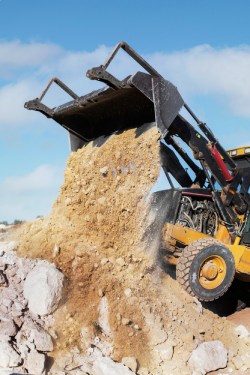
Operators begin by removing vegetation and topsoil, which is stored for land reclamation. Heavy machinery, including excavators and front-end loaders, extracts sand from the quarry face and transports it to primary processing areas. The raw material is then washed and screened to remove clay, silt, and other debris, ensuring a cleaner product for subsequent stages.
Open-Pit Mining Techniques
Open-pit mining is the most common method for frac sand extraction. Large pits are dug into sandstone formations, with layers removed progressively. The mining process involves:
- Drilling and blasting to break up rock layers
- Excavating with loaders and conveyors
- Transporting raw sand to washing and screening facilities
This approach allows for high-volume extraction while maintaining the ability to implement environmental controls such as dust suppression and water recycling.
Environmental Considerations in Mining
Frac sand mining raises several environmental concerns. Dust emissions, water consumption, and habitat disruption are common issues communities and regulators monitor. Operators are typically required to implement mitigation measures:
- Using water sprays and dust collectors to control airborne particles
- Reclaiming topsoil and restoring vegetation after mining
- Recycling process water to reduce freshwater usage
These measures aim to minimize the impact of mining while ensuring the sand meets quality standards for hydraulic fracturing.
Processing Frac Sand
After extraction, frac sand undergoes rigorous processing to meet industry specifications. The goal is to produce uniform, high-strength grains capable of withstanding the high pressures in hydraulic fracturing operations.
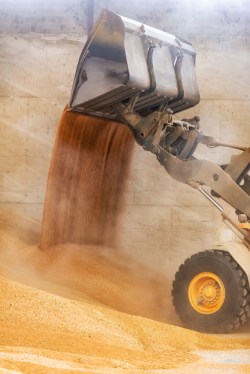
Processing begins with washing to remove impurities such as clay, silt, and organic matter. The sand is then dried, sorted, and screened according to particle size. In some cases, additional treatments, including acid washing or resin coating, improve durability or reduce chemical contamination.
Washing and Screening
Washing involves high-pressure water sprays to remove unwanted material, followed by mechanical screening to separate particles by size. Screens can range from fine mesh for smaller sand to coarse screens for larger grains. This step ensures uniformity and improves the sand’s performance during fracking.
Advanced Treatments
Some frac sand undergoes advanced treatments for added strength and chemical resistance. These can include:
- Resin coating to reduce crushing under pressure
- Acid washing to remove iron or other chemical contaminants
- Thermal treatment for moisture control and durability
These treatments enhance the sand’s effectiveness and allow operators to meet specific well requirements.
Transportation and Storage
Once processed, frac sand is transported to oil and gas operations, often by rail or truck. Proper handling is critical to maintaining quality and preventing contamination. Sand storage facilities are designed to limit moisture variation, dust emissions, and particle degradation.
- Railcars and trucks are covered to prevent moisture intrusion
- Storage silos are equipped with dust control systems
- Handling operations maintain grain integrity to ensure consistent hydraulic fracturing performance
Efficient logistics are a key factor in the overall cost and reliability of frac sand supply chains.
Economic and Community Impact
Frac sand mining and processing contribute significantly to local economies, providing jobs, infrastructure development, and tax revenue. Communities near mining operations may benefit from employment opportunities but also face challenges such as increased traffic, noise, and environmental concerns.
Balancing economic benefits with responsible environmental management is essential. Many operators engage with local communities to address concerns, provide transparency, and invest in reclamation projects that restore mined land to productive use.
Key Challenges in the Industry ⛏️
The frac sand industry faces several challenges that affect both supply and environmental management:
- Regulatory compliance and permitting delays
- Maintaining consistent sand quality across different deposits
- Reducing environmental footprint and community impacts
- Managing transportation and logistics efficiently
Addressing these challenges requires a combination of technological innovation, operational best practices, and active stakeholder engagement.
Frac Sand’s Journey
The frac sand mining, and processing is an intricate, very specialized industry that makes modern energy production possible. Extracting and washing with more advanced steps of treatment and logistics can all help to ensure that the sand meets strict standards for hydraulic fracturing. Operators and regulators still hold onto to this core of economy versus environmental responsibility balance.
Best Non Gamstop Casinos UK

there's a 42 mile long conveyor for moving frack sand in West Texas pic.twitter.com/IA7tuD96En
— Kenneth Cassel (@KennethCassel) February 15, 2025